
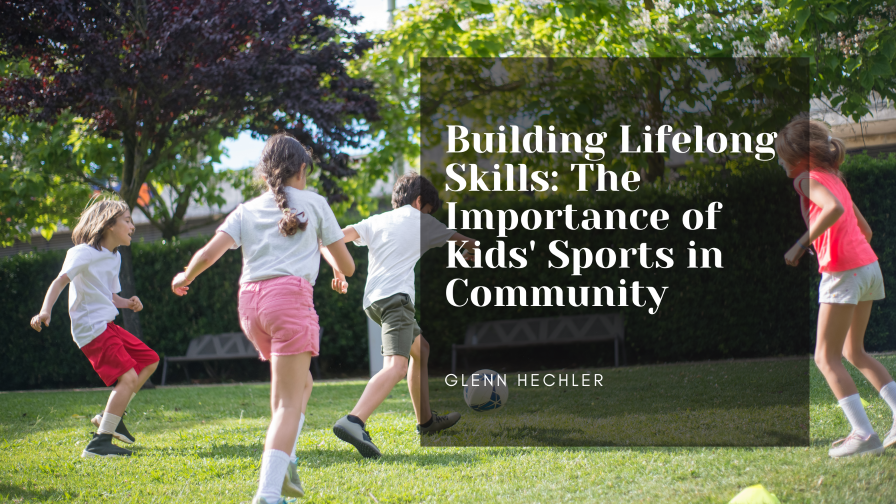
Sports have long been a favorite pastime for children worldwide, but their value extends far beyond entertainment. Kids’ sports are an essential aspect of community development, providing a platform for young people to build lifelong skills that contribute to their personal growth and the entire community’s well-being. From physical fitness and social skills to leadership and discipline, kids’ sports foster essential attributes that help shape responsible, active citizens.
Physical Health and Fitness
One of the most apparent benefits of kids’ sports is promoting physical health. Sports provide a necessary balance in a world where sedentary activities such as video games and screen time dominate much of children’s daily routines. Regular participation in sports improves cardiovascular health, enhances coordination, builds muscle strength, and helps maintain a healthy weight. Developed early on, these habits tend to stick with children as they grow into adulthood, leading to healthier lifestyles that reduce the risks of obesity, heart disease, and other health-related issues.
Furthermore, the active nature of sports helps children burn energy, leading to better focus and behavior in other areas of life, such as academics. Kids who participate in sports are more likely to be active in their everyday lives, and this physical activity can improve mental well-being, reduce stress, and enhance cognitive function.
Social and Emotional Development
Sports also offer a unique environment for social and emotional development. In team sports, children learn to work collaboratively toward a common goal. They discover how to communicate effectively, support their teammates, and understand the importance of cooperation. This helps them develop empathy, patience, and respect for others—essential skills on and off the field.
Kids’ sports also allow children to experience success and failure in a safe and structured environment. Winning teaches the value of hard work and perseverance while losing teaches resilience, sportsmanship, and the importance of learning from mistakes. These emotional experiences are crucial for developing emotional intelligence and self-regulation, which can significantly impact how children handle challenges.
Building Leadership and Discipline
Another benefit of kids’ sports is the development of leadership skills. In many sports, children are given roles that require them to make decisions, motivate teammates, and strategize on the spot. These experiences foster confidence, responsibility, and the ability to lead others—essential qualities in adulthood, whether in school, the workplace, or the community.
In addition to leadership, sports help instill discipline. Children learn that discipline is crucial to success, whether adhering to practice schedules, following rules or committing to self-improvement. This sense of accountability often transfers into other areas of life, such as academics, where disciplined children tend to perform better and have a stronger work ethic.
Community Connection and Support
Kids’ sports benefit the individual participants and strengthen the community as a whole. When children engage in sports, families come together, forming social bonds with other parents and community members. Local sports leagues, tournaments, and games become a focal point for community interaction and support, fostering a sense of belonging and unity.
Moreover, sports can bridge gaps in socioeconomic, cultural, and ethnic divides. In a team environment, children learn to work together despite their differences, promoting inclusivity and understanding within the community.